Loch Ness
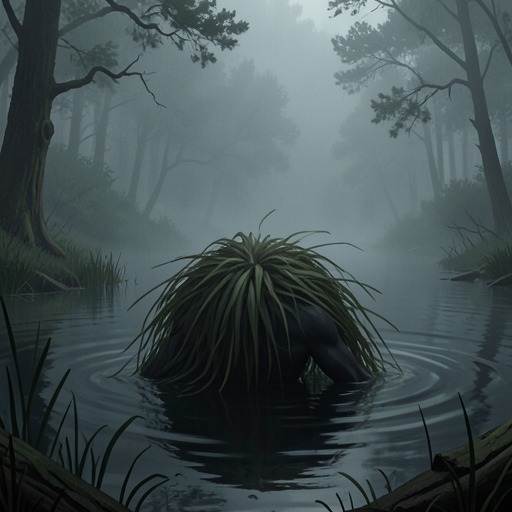
Fantastic Beasts and Where to Find ThemLoch Ness is both the habitat of the world’s largest kelpie and a recurring problem for the magical authorities charged with keeping magical creatures hidden. The kelpie remains uncaptured and appears to court publicity; photographs of it have become a particularly difficult breach of the boundary between wizarding and Muggle worlds to contain.
Habitat and concealment
The book presents safe habitats as a central means of concealing magical creatures, with some areas requiring substantial protective measures. In extreme cases, including that of the Quintaped, entire tracts of land are made unplottable. Loch Ness offers a different kind of challenge: the kelpie is still at large in a familiar, visible body of water, and its continued presence makes concealment an ongoing task rather than a problem solved by establishing a protected refuge.
The kelpie and public attention
The largest kelpie in the world continues to evade capture in Loch Ness. Its apparent thirst for publicity gives the episode an unusual comic edge: the creature is not merely hidden from human notice but seems, in the book’s phrasing, positively disposed toward attracting it. That apparent agency complicates management. The authorities’ efforts must contend not only with the difficulty of capture but also with a creature whose presence repeatedly draws attention to the lake.
Photographs and official response
The Office of Misinformation becomes involved in the most serious collisions between magical and Muggle worlds. In the case of the Loch Ness kelpie, its sustained efforts to persuade Muggles that photographic evidence is fake have helped salvage a situation that had once appeared exceedingly dangerous. The photographs make secrecy a public-relations problem as well as a matter of concealment: magical authorities respond not by demonstrating that the creature is absent, but by undermining the credibility of the evidence that it is there.
Secrecy, care, and control
The governing principle behind these efforts is that wizarding authorities are responsible for the concealment, care, and control of magical beasts, beings, and spirits within their jurisdictions. Loch Ness brings those obligations into tension. The kelpie remains free of capture, while officials work to limit the Muggle consequences of its visibility. The lake therefore exemplifies how the secrecy regime relies on both creature management and intervention in what non-magical observers believe they have seen.